Don't Buy Until You Read This: Crystal Uhd vs Qled
The modern television market is a landscape defined by technical jargon, marketing buzzwords, and subtle performance differences that can make the average consumer feel overwhelmed. When stepping into a major electronics retailer or browsing digital catalogs, two terms frequently dominate the mid-range and premium-entry categories: Crystal UHD and QLED. For the average buyer, these terms appear to describe two competing technologies, but the reality is more nuanced. Both represent different tiers of Samsung’s display technology, and choosing between them requires an understanding of how light, color, and processing power intersect to create the image on your screen.
A television is often the centerpiece of a home—serving as a cinema for movie nights, a stadium for sports fans, and a high-performance monitor for gamers. Because this is a purchase that most households only make once every five to eight years, the stakes are high. Choosing correctly means enjoying vibrant, lifelike visuals for years to come; choosing incorrectly can lead to "buyer’s remorse" when you realize your room is too bright for the screen you bought, or the motion handling isn't up to the task of a fast-paced football game. This article serves as an exhaustive guide to dismantle the marketing lore surrounding Crystal UHD and QLED, providing a technical yet accessible analysis of which technology truly deserves a spot in your living room.
Understanding the Basics: What Is Crystal UHD?
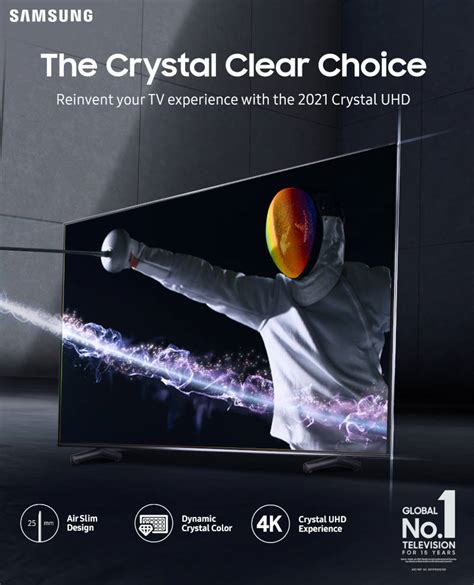
To understand what Crystal UHD is, one must first look at the standard 4K LED television. "Crystal UHD" is Samsung’s branding for its high-end line of standard LED TVs. These sets utilize a traditional LCD (Liquid Crystal Display) panel with an LED backlight. However, the "Crystal" moniker refers specifically to the inclusion of a Crystal Processor 4K, which is designed to upscale non-4K content with greater accuracy and manage color mapping more sophisticatedly than entry-level budget displays.
In a Crystal UHD display, the color is produced through a combination of the LED backlight and a color filter. While these televisions provide the 3840 x 2160 resolution necessary for 4K clarity, they lack some of the advanced hardware found in more expensive models. They generally use a "Dynamic Crystal Color" system, which employs a billion shades of color to provide a more realistic image than older 1080p sets or basic 4K models. However, because they rely on traditional color filters, they cannot reach the same level of peak brightness or color volume as their QLED counterparts. For most consumers, Crystal UHD represents the gold standard of "value"—it is the point where the screen looks significantly better than a "cheap" TV without the premium price tag of high-end display technologies.
The Quantum Leap: What Is QLED?
QLED stands for "Quantum Dot LED." At its core, a QLED television is still an LED-LCD TV, but it introduces a revolutionary layer to the display stack: the Quantum Dot filter. Quantum dots are microscopic molecules that, when hit by light, emit their own colored light. Instead of relying solely on a traditional color filter that "blocks" certain wavelengths to create color, Quantum Dots transform the light from the backlight into highly precise, saturated colors.
This difference is not merely academic; it has a profound impact on "Color Volume." Color volume is the ability of a television to maintain its color accuracy even as the screen gets brighter. In traditional LED TVs, colors often look washed out or "greyed" when the brightness is turned up to 100%. QLEDs avoid this, maintaining deep reds, vibrant greens, and piercing blues even in a sun-drenched room. Furthermore, QLED models often feature more robust backlighting systems, such as Dual LED or even Full Array Local Dimming (FALD) in higher-end models, which allows for better contrast and deeper blacks compared to the typically edge-lit Crystal UHD models.
Deep Dive Analysis: The Performance Gap
When comparing these two, several performance metrics stand out that directly affect the daily viewing experience. The most notable is brightness. QLED TVs are engineered to be significantly brighter than Crystal UHD models. This makes QLED the superior choice for "bright room" viewing. If your living room has large windows or you watch television during the day, the QLED’s higher "nit" count (a measure of brightness) allows it to cut through glare and reflections more effectively.
Contrast and Black Levels are the next major battleground. Because Crystal UHD TVs usually utilize a simpler backlighting system, they struggle with "blooming"—a phenomenon where light from a bright object (like a candle in a dark room) bleeds into the black areas surrounding it. QLED models, particularly those featuring "Direct Full Array," have more precise control over which parts of the screen are lit. While neither technology can match the "infinite contrast" of an OLED (where individual pixels turn off entirely), a high-quality QLED gets much closer to true black than a Crystal UHD set can.
Looking for the best Electronics deals on Amazon?
View Offers →Processing and Gaming features also tend to be more advanced in the QLED line. While Crystal UHD processors are excellent for upscaling 1080p Netflix content to 4K, QLED processors often include more "AI" enhancements for motion smoothing and object-based sound tracking. For gamers, QLED is almost always the better choice. Most QLED models support features like Variable Refresh Rate (VRR) and higher refresh rates (120Hz), which are essential for the smooth performance of current-generation gaming consoles. Crystal UHD models are typically limited to 60Hz, which is fine for movies but can feel "choppy" during high-speed gaming or competitive play.
Pros and Cons of Crystal UHD
The Crystal UHD series is often the best-selling television line for the manufacturer precisely because it balances cost and performance so effectively. However, it is not without its limitations.
- Pros: Exceptional value for money, providing 4K resolution at a fraction of the cost of premium sets.
- Pros: Very slim designs; because they don't require the complex multi-layer stack of Quantum Dots, these TVs are often incredibly thin and look great wall-mounted.
- Pros: Reliable upscaling; the Crystal Processor 4K ensures that older DVDs and standard cable broadcasts look sharp.
- Pros: Uniformity; standard LED panels often have very consistent brightness across the whole screen for sports viewing.
- Cons: Limited peak brightness makes it less ideal for HDR (High Dynamic Range) content, where highlights don't "pop" as they should.
- Cons: Lacks 120Hz support, which is a major drawback for owners of the latest gaming consoles.
- Cons: Color saturation is naturally lower than QLED, leading to a slightly "flatter" image in side-by-side comparisons.
Pros and Cons of QLED
QLED is the mid-to-high tier option for those who want a premium cinema experience without the high price and "burn-in" risks associated with OLED technology.
- Pros: Incredible brightness and color volume; colors remain vivid and accurate even at maximum backlight settings.
- Pros: Longevity; Quantum Dots are inorganic, meaning they do not degrade over time, ensuring the color quality remains consistent for years.
- Pros: Gaming prowess; most models include an "Auto Low Latency Mode" (ALLM) and higher refresh rates.
- Pros: Better HDR performance; QLED provides the necessary luminance to make HDR10+ content look truly immersive.
- Cons: Higher price point; the technology commands a premium that may not be justifiable for a secondary bedroom or kitchen TV.
- Cons: Thicker chassis; models with "Full Array" backlighting can be significantly thicker and heavier than edge-lit Crystal UHD TVs.
- Cons: Viewing angles can be narrow; if you are sitting far to the side, colors may shift slightly compared to IPS-based panels.
Head-to-Head Comparison Table
| Feature | Crystal UHD (Series 7/8) | QLED (Q60/Q70/Q80) |
|---|---|---|
| Display Technology | Standard LED-LCD | Quantum Dot LED-LCD |
| Color Volume | Good (1 Billion Colors) | Excellent (100% Color Volume) |
| Peak Brightness | Moderate (approx. 300-400 nits) | High (approx. 500-1500+ nits) |
| Refresh Rate | Standard 60Hz | Variable (60Hz to 120Hz) |
| HDR Handling | Basic HDR Support | Enhanced HDR / Quantum HDR |
| Price Category | Value / Budget-Friendly | Mid-Range to Premium |
| Best Use Case | Bedrooms, casual viewing, news | Main living room, movies, gaming |
Real-World Buying Guide: Which One Fits Your Life?
To make the right choice, you must look past the spec sheet and look at your actual environment. Buying a television is not about finding the "best" TV in the world; it is about finding the best TV for your specific room conditions and viewing habits.
Consider Your Room Lighting
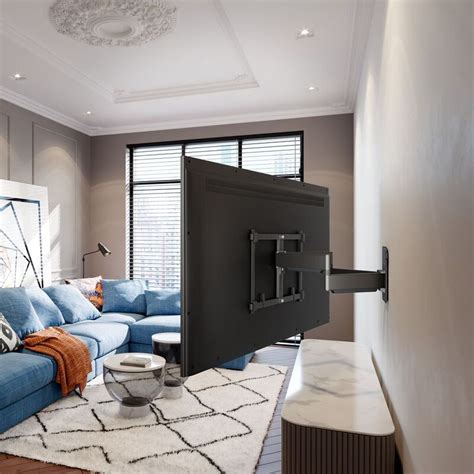
Light is the enemy of any display. If you plan to place your new TV in a basement or a room with blackout curtains, the brightness advantage of the QLED becomes less critical. In dark environments, the "blacks" of the Crystal UHD will look reasonably deep, and you won't need high nits to see the image. However, if your TV is going in a "great room" with floor-to-ceiling windows, the Crystal UHD will struggle. You will likely see your own reflection in dark scenes, and the image will feel washed out by the ambient daylight. In this scenario, the QLED is not just a luxury; it is a necessity for a functional viewing experience.
The Gamer's Dilemma
Gaming has become a primary driver of television sales. If you own a PlayStation 5 or an Xbox Series X, the choice is almost made for you. These consoles are designed to output games at 4K resolution and 120 frames per second. A Crystal UHD television can only display 60 frames per second. This means you are essentially "bottlenecking" your console's performance. Furthermore, QLEDs often come with a "Game Bar" menu that allows you to see your current frame rate and adjust black levels to see enemies hiding in shadows. If gaming is even 20% of your TV usage, the upgrade to QLED (specifically the 120Hz Q70 or Q80 models) is the best investment you can make.
Content Matters: What Are You Watching?
Buyers who primarily watch the evening news, standard cable television, or talk shows will likely not see the full benefit of a QLED. Standard cable broadcasts are highly compressed and do not utilize the wide color gamut or high dynamic range that Quantum Dots are built for. For these users, a Crystal UHD is more than sufficient and represents a smart way to save money. On the other hand, if you are a subscriber to 4K Ultra HD streaming services and you enjoy blockbuster films or nature documentaries (like those found on Disney+ or Netflix Premium), the QLED will reveal details in the colors of a sunset or the texture of animal fur that a Crystal UHD simply cannot resolve.
Discover deals on Electronics — updated daily.
See Deals →Durability and Longevity
One aspect buyers care about but often overlook is the physical longevity of the tech. LED-based systems (both Crystal and QLED) are generally very durable. However, because QLEDs use inorganic Quantum Dots, they are less prone to the "yellowing" or "dimming" that can occur in very cheap LED panels over a decade of use. If you are the type of person who keeps a TV until it literally stops turning on, investing in a QLED may ensure that the color reproduction looks as good on year ten as it did on day one.
Evaluating the Price-to-Performance Ratio
The "sweet spot" in the market is where the extra money spent results in a visible improvement in quality. Generally, the jump from a standard entry-level 4K TV to a Crystal UHD is a massive leap in terms of build quality and smart features. The jump from Crystal UHD to a Q60 (the entry-level QLED) is a noticeable improvement in color. However, many experts argue that the most significant jump is from the Q60 to the Q80. The Q80 introduces "Full Array Local Dimming," which changes the way the screen handles contrast.
When shopping, you must ask yourself: is a 30% to 50% increase in price worth a 20% increase in color saturation? For a cinephile, the answer is usually "yes." For a family that wants a 75-inch screen for the kids' playroom, the answer is likely "no," and the Crystal UHD would be the wiser financial decision. The larger the screen size you want, the more the price gap between these two technologies widens. A 85-inch Crystal UHD remains relatively affordable, whereas an 85-inch high-end QLED can reach price points that represent a significant household investment.
Conclusion: Making the Final Decision
The debate between Crystal UHD and QLED ultimately boils down to the distinction between "good enough" and "immersion." Crystal UHD televisions are excellent machines; they provide the sharpness of 4K, a sleek aesthetic, and a reliable user interface that makes finding your favorite apps a breeze. They are the perfect solution for secondary rooms, budget-conscious primary setups, and viewers who prioritize screen size over peak technical performance.
QLED technology, however, represents the true modern 4K experience. By utilizing Quantum Dots, these televisions bridge the gap between standard displays and the ultra-premium world. They offer the brightness required to survive in modern, well-lit homes and the color accuracy required to see movies as directors intended. If you are looking for a centerpiece for your home theater, if you are a dedicated gamer, or if you simply want your favorite films to look as atmospheric as possible, the QLED is the superior choice. Before you swipe your card, consider your lighting, your console, and your content—knowing that while both will show you a 4K image, only one will show it with the full brilliance of a billion colors.