Should You Upgrade from Nothing Phone 4A Pro to Samsung Galaxy S26 Ultra?
The question of whether to upgrade from a Nothing Phone 4A Pro to a Samsung Galaxy S26 Ultra is increasingly common as buyers balance design, day-to-day usability, and long-term value. The Nothing Phone 4A Pro appeals to people who value distinctive design, clean software, and solid value. The Samsung Galaxy S26 Ultra targets users who demand top-tier cameras, peak performance, and broad ecosystem features. This article breaks down real-world differences, highlights what buyers typically care about, and offers a practical buying guide to help decide if the jump is worth it.
How to read this guide
This article looks at the upgrade question through the lens of everyday usage: photography, battery life, app performance, software updates, repairability, and ecosystem benefits. It includes an in-depth analysis of both phones, quick pros and cons, an easy-to-scan comparison table, and a buying guide that maps needs to recommendation. No technical shorthand is required — the focus is on what each change means for typical owners.
Quick summary
In short: upgrading to the Samsung Galaxy S26 Ultra makes sense if the following apply to the buyer:
- They frequently take photos in varied lighting and want the best telephoto and low-light performance.
- They use demanding apps (photo/video editing, large-scale multitasking) and want sustained peak performance.
- They prefer a device that integrates deeply with laptops, tablets, and accessories, or they value longer flagship update windows.
Staying with the Nothing Phone 4A Pro is reasonable if the buyer prioritizes design, cost savings, lightweight software, and is satisfied with very good (but not class-leading) cameras and performance.
Detailed product review and analysis
Nothing Phone 4A Pro — practical strengths
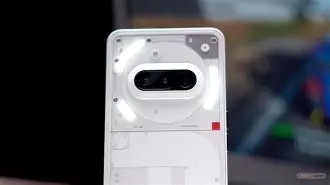
The Nothing Phone 4A Pro continues the brand’s focus on distinctive industrial design and software clarity. It aims to provide a user experience that feels personal and intentionally simplified, with hardware that punches above its price class. For many users, this balance results in a phone that feels modern without the weight of flagship cost.
Real-world strengths include:
- Design and feel: The phone often stands out in a sea of glass sandwiches — materials and visual cues make it feel unique in hand and on a desk.
- Everyday performance: Smooth UI interactions and reliable app performance cover the needs of most users: social apps, streaming, navigation, and light gaming.
- Battery for typical days: Efficient hardware and software tuning usually deliver a full day of use for average users; moderate users may see longer endurance.
- Value: It typically undercuts flagship pricing while delivering many of the conveniences of modern phones.
Where it is intentionally not focused is on absolute camera supremacy, maximum sustained performance, and the broadest possible feature set (e.g., advanced telephoto optics or enterprise-level device management). For buyers who prioritize those flagship attributes, the Nothing Phone 4A Pro can feel like a compromise — but a purposeful one.
Samsung Galaxy S26 Ultra — flagship capabilities
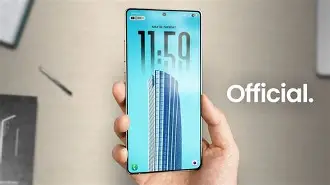
The Galaxy S26 Ultra represents Samsung’s latest push in the flagship category (as of the S26 generation). It is tailored for users who want top camera versatility, fastest available performance among Android phones, and deep software and accessory integrations like pen input, smart home connections, and continuity features with laptops and tablets.
Real-world strengths include:
Shop the latest Mobile Phones picks on Amazon.
See Deals →- Cameras: The S26 Ultra is built for flexible photography: wider dynamic range, stronger low-light performance, and more capable long-range zoom than midrange alternatives. This matters for travel photography, events, and creators who want fewer compromises.
- Performance and thermals: The phone is designed to handle demanding workloads — extended gaming sessions, intensive editing, and large app multitasking — while maintaining consistent speeds.
- Software support and features: Longer promised OS and security updates and a richer suite of software features aimed at productivity (including advanced multitasking, note-taking with stylus support, and ecosystem-level continuity).
- Build, durability, and extras: Premium materials, better water and dust resistance, and more robust accessory ecosystems are typical of this class.
The tradeoffs are predictable: cost is higher, the device is often larger and heavier, and not everyone needs the absolute peak camera or processing headroom.
Pros & cons
Nothing Phone 4A Pro
- Pros:
- Distinctive design that stands out from mainstream phones
- Simple, clean software experience
- Good everyday performance and efficient battery life
- Strong value-for-money relative to full flagships
- Cons:
- Cameras are good but not best-in-class in low light or zoom
- Less extensive accessory and ecosystem integration
- Shorter software update guarantees compared with flagship makers
Samsung Galaxy S26 Ultra
- Pros:
- Top-tier camera versatility and image quality across conditions
- High sustained performance for pro-level apps
- Longer software update commitment and security support
- Broad ecosystem features: enhanced continuity, productivity tools, and accessories
- Cons:
- Significantly more expensive than midrange alternatives
- Larger size and heavier build may not suit everyone
- Some advanced features are only useful to niche power users
Comparison table
| Category | Nothing Phone 4A Pro | Samsung Galaxy S26 Ultra |
|---|---|---|
| Market position | Design‑led midrange / value | High‑end flagship |
| Design | Distinctive, lightweight, focused aesthetics | Premium materials, larger footprint |
| Display | High-quality OLED for everyday use | Top-tier AMOLED with higher brightness and feature set |
| Performance | Very good for daily tasks and moderate gaming | Best-in-class sustained performance for heavy workloads |
| Cameras | Reliable point-and-shoot quality; less capable in zoom/low light | Most versatile: improved low-light, optical zoom, and computational features |
| Battery & charging | Efficient, generally a full day for typical users | Larger capacity and faster charging options; better for power users |
| Software & updates | Clean UI but shorter official update window | Longer OS and security update support |
| Extras | Unique design cues; fewer premium add-ons | Stylus/pen features, richer accessory ecosystem, advanced multitasking |
| Value | High value if flagship performance is not required | High price, but premium features justify cost for heavy users |
Real-world use cases
To decide whether to upgrade, consider how the phone will be used day to day. Below are common buyer profiles and how each phone fits the bill.
Casual social user
Uses the phone for browsing social media, messaging, occasional photos, and streaming. The Nothing Phone 4A Pro covers these needs comfortably — good display, snappy interactions, and battery life that lasts through the evening. Upgrading to the S26 Ultra would improve camera versatility and add luxury features but won’t dramatically change everyday happiness.
Mobile photographer / frequent traveler
Often shoots in varied lighting and relies on zoom and stabilization. The S26 Ultra’s camera system is likely the deciding factor for these buyers; better optics, superior zoom, and advanced computational modes reduce the need for a separate camera. For them, the upgrade delivers tangible benefits.
Power user / mobile workstation
Runs intensive apps, edits large files, or uses the phone as a primary productivity device. The S26 Ultra’s performance headroom, multitasking, and software productivity features (including stylus support if that’s relevant) make it a clear upgrade. The Nothing Phone 4A Pro is competent, but heavy workloads may feel more constrained.
Budget-conscious but design-focused
Values distinctive design and a lighter footprint without paying flagship prices. The Nothing Phone 4A Pro is usually the better fit. Upgrading for features they won’t use often is an unnecessary expense.
Buying guide — how to decide
Answer the following questions to make a practical choice. Consider each point honestly and weight it by how often the scenario occurs in daily life.
1. How often do you rely on phone photography for important outcomes?
If photos from the phone need to be reliably excellent — for work, content creation, or memorable travel shots — consider the upgrade. If snapshots for sharing are sufficient, the Nothing Phone 4A Pro will likely satisfy.
2. Do you use resource-heavy apps or multitask heavily?
Heavy multitaskers and those using professional apps will appreciate the S26 Ultra’s sustained performance and extra RAM/options. Casual users will find the midrange performance of the Nothing Phone adequate.
Shop the latest Mobile Phones picks on Amazon.
View Offers →3. How important is long-term software support?
If receiving OS upgrades and security patches for many years is important (resale value and long-term security), the S26 Ultra’s flagship status usually comes with longer official update windows.
4. Is device size and weight a concern?
The S26 Ultra tends to be larger and heavier; if pocketability and one-handed use matter more than sheer capability, staying with the smaller, lighter Nothing Phone 4A Pro may be preferable.
5. Does the buyer use an ecosystem where Samsung provides clear advantages?
Owners of Samsung laptops, tablets, or wearables can benefit from continuity features (shared clipboard, seamless device handoffs, and deep integration). If those features would materially improve daily workflows, the upgrade has additional non-hardware value.
6. How much does cost matter right now?
Evaluate the incremental value relative to the incremental cost. For many, the S26 Ultra is an investment: a higher upfront cost in exchange for camera excellence, performance, and software longevity. If budget sensitivity is paramount, the Nothing Phone 4A Pro is a strong, more affordable alternative.
Practical tips if choosing to upgrade
- Compare real-world camera samples taken in the types of scenes you normally shoot (night, indoors, subject distance). Sample shots reveal more than spec sheets.
- Test the device in person for size, grip, and UI comfort. Flags like stylus use or the phone’s balance might influence preference.
- Consider trade-in or resale value of the existing device. A well-kept midrange phone often retains some value that reduces the net upgrade cost.
- Examine update promises and warranty/repair options regionally — these can vary and affect long-term ownership costs.
Potential downsides to upgrading
Upgrading to a flagship isn’t without friction. The S26 Ultra’s higher price may feel disproportionate if the buyer’s daily routine doesn’t exploit the flagship’s advantages. Larger phones are harder to handle one-handed and might require new accessories (cases, screen protectors, chargers). Finally, some people prefer the simplicity and personality of phones like the Nothing 4A Pro and may lose that distinctive feel with a mainstream flagship.
Conclusion
Whether to upgrade from the Nothing Phone 4A Pro to the Samsung Galaxy S26 Ultra depends on use patterns and priorities. The S26 Ultra is a meaningful upgrade for mobile photographers, power users, and those invested in Samsung’s ecosystem who will use the device’s advanced features. For users who value unique design, sensible cost, and everyday competency, the Nothing Phone 4A Pro remains an excellent choice.
Assess how often the specific improvements — camera versatility, sustained performance, longer update windows, and ecosystem benefits — would change day-to-day life. If those improvements align with real needs and justify the cost, upgrading is a sensible move. If they do not substantially improve the user’s typical tasks, staying with the Nothing Phone 4A Pro preserves value while maintaining a satisfying daily experience.