The Ultimate Setup Guide for Your Crusher Wireless 2016
Introduction
The Crusher Wireless 2016 is a distinct offering for listeners who value tactile, room‑shaking low end. Designed around Skullcandy’s signature sensory bass experience, it aims to deliver an immersive, consumer‑friendly take on bass‑heavy listening without demanding complicated tweaks. This guide walks through everything an owner needs to know to get the most from a Crusher Wireless 2016: an overview and analysis of the product, hands‑on setup instructions, tuning and use‑case recommendations, a compact comparison to contemporaries, a clear pros and cons list, and a practical buying guide for those considering this model.
Product overview and detailed analysis
What the Crusher Wireless 2016 is trying to do
The Crusher Wireless 2016 is built around one central promise: deep, physical bass that users can feel as much as hear. Rather than pursuing a flat, reference sound signature, the Crusher emphasizes entertainment — movies, bass‑forward music genres like hip‑hop and EDM, and gaming where explosive low frequencies add to immersion. It is a consumer product designed for people who want a visceral, fun listening experience rather than a neutral monitoring tool.
Design and build quality
The Crusher Wireless follows a conventional over‑ear form factor with padded earcups and a suspension headband for comfort during long listening sessions. Materials lean toward durable plastics with soft touch finishes. The clamping force is engineered to balance isolation with comfort; some users find it slightly firm at first but comfortable after a short break‑in period. The foldable design (on many units) and included carrying pouch make it reasonably portable for daily commuting.
Sound profile and the “sensory bass” feature
At the heart of the Crusher experience is an adjustable bass intensity control (a slider or dial depending on edition) and dedicated low‑frequency driver design intended to create a tactile sensation. This is not a substitution for high‑fidelity low mids or bass accuracy — it is an effect that enhances the perception of bass. For pop, modern R&B, electronic music, and action movies, the result is impactful and entertaining. For critical listening, instrumental music, or studio work, listeners may notice exaggerated low end and less clarity in the midrange if the bass is set high.
Connectivity and battery life
The Crusher Wireless offers Bluetooth connectivity for untethered use and typically includes a wired option for passive listening via an audio cable. Battery endurance is a notable strength; in typical consumer usage it delivers long hours between charges, which suits long‑haul travel and extended listening sessions. Actual run time will vary with volume, streaming bitrate, and whether any integrated features remain active. Charging is commonly through a standard micro‑USB port on this generation, so a basic USB charger will do the job.
Controls, microphone and call quality
On‑ear controls allow users to adjust playback and bass intensity without reaching for a phone. The integrated microphone handles hands‑free calls with acceptable clarity in moderate noise environments. However, in very loud or windy situations, call quality may be affected by environmental noise and the passive isolation characteristics of the earcups. The Crusher is primarily marketed as a listening headset rather than a premium teleconferencing device.
Comfort and long‑term wear
Cushioning on the earcups and headband makes long‑term wear feasible for many users. Because the headphones are tuned to emphasize bass, some listeners may experience a perceived increase in “pressure” during intense low‑frequency passages; wearing breaks and minor fit adjustments can mitigate fatigue. The build and padding are suited to commuting, long flights, and gaming sessions where comfort matters alongside sound delivery.
Step-by-step setup guide
1. Unboxing and initial inspection
Unpack the headphones and locate the included accessories: charging cable, 3.5mm audio cable (if provided), quick start guide, and any carrying pouch. Inspect the earcups and headband for shipping damage and ensure ports (charging and auxiliary) are free of debris.
2. Charge before first use
Charge the unit fully before extended use. A full initial charge ensures the battery calibration begins from a full state and reduces the chance of seeing unexpected shutdowns during the first sessions. Use a standard USB charger and cable compatible with the headphone’s charging port. Avoid fast chargers with unusually high current unless the manufacturer explicitly supports them.
3. Powering on and basic controls
Locate the power button and press it to turn on the headphones. A voice prompt, LED indicator, or both usually confirm power. Learn the basic control layout — play/pause, track skip, volume, bass slider or control — and practice using them while paired with a device so they become intuitive.
4. Bluetooth pairing
To pair:
Looking for the best Audio & Headphones deals on Amazon?
Browse Now →- Enable Bluetooth on the source device (phone, tablet, laptop).
- Put the Crusher into pairing mode (commonly by holding the power button until the LED flashes or an audible prompt states “pairing”).
- Select the Crusher model name in the device’s Bluetooth list and confirm pairing.
- After successful pairing, play a familiar track to verify audio output and test mic functionality by making a short call or recording a voice memo.
If connection fails, power cycle both devices, remove any old pairing entries for the Crusher in the device Bluetooth settings, and retry.
5. Wired connection (fallback or battery‑free use)
When battery conservation or lower latency is required, plug the supplied 3.5mm cable into the headphone’s port and the source device’s headphone jack or adapter. Because the Crusher is tuned for prominent bass, wired use will reproduce the same signature sound but with zero wireless latency — useful for gaming or low‑delay video watching.
6. Setting the bass to taste
Start with the bass control in the middle position. Play a well‑recorded song with a strong low end (for example, a cleanly produced electronic track) and incrementally increase the bass to a point where it adds impact without muddying vocal mids. If listening to podcasts, audiobooks, or acoustic music, reduce bass to avoid masking clarity. Small adjustments go a long way — the Crusher’s bass control is intentionally potent.
7. Pairing multiple devices and multipoint use
Check whether the Crusher supports multipoint Bluetooth (simultaneous pairing with two devices). If supported, follow the manufacturer’s instructions to pair the second device after the first is connected. If not supported, switching between devices will require disconnecting and re‑pairing or selecting the Crusher from the Bluetooth menu of the device that should play audio.
8. Firmware and app considerations
Some headphone models offer companion apps or firmware updates. If a Skullcandy app or firmware resources exist for this generation, use them to check for feature updates or to access EQ presets. If no app support exists, rely on device EQs or streaming app equalizers to refine sound.
9. Troubleshooting common issues
- No sound from one ear: check the audio cable if wired, ensure the device’s balance setting is centered, try resetting the headphones by powering off and on, and confirm the Bluetooth connection is stable.
- Intermittent dropouts: move closer to the source, remove obstacles between devices, or try another device to narrow down whether the issue is the phone/computer or the headphones.
- Poor call quality: reduce background noise, reposition the mic, or switch to the wired connection for steadier microphone performance.
- Battery drains quickly: reduce volume and disable unused features, or replace the charging cable to rule out charging problems.
Tuning and real‑world use cases
Commuting and travel
The Crusher’s bass presence and passive isolation make it suitable for noisy environments such as trains and buses. To use it effectively on commutes, keep bass moderate so speech clarity and navigation prompts remain intelligible, and use the long battery life for uninterrupted playlists and podcasts over long journeys.
Home audio and movies
For movie nights, the Crusher amplifies explosions, score impact, and sound effects, delivering a cinematic feel in a compact package. Pairing with a TV or streaming device using Bluetooth or a wired connection reduces lip‑sync concerns that can arise with wireless connections.
Gaming
Gamers who want weighty low‑frequency feedback for explosions and engine rumbles will enjoy the Crusher. For competitive multiplayer, however, the boosted bass can mask footsteps and other subtle audio cues; in those cases, dial the bass back or use a more neutral headset.
Music listening
Fans of bass‑centric genres appreciate the Crusher’s emphasis; classical, jazz, and acoustic genres may suffer from bass bleed into the midrange if the bass slider is set high. Listeners who prioritize musical detail should treat these headphones as entertainment gear rather than studio monitors.
Pros & Cons
- Pros
- Powerful, tactile bass: The sensory bass delivers a physical, immersive low end that enhances film and modern pop music.
- Long battery life: Extended hours per charge make it reliable for travel and long use sessions.
- Comfortable for many users: Generous ear padding and a supportive headband suit extended wear.
- Simple controls: Onboard controls and a visible bass slider make adjustments quick and intuitive.
- Wired option: Includes an auxiliary connection for battery‑free listening and lower latency.
- Cons
- Not reference‑neutral: Heavy bass emphasis will not satisfy listeners seeking accurate, balanced sound for mixing or critical listening.
- No active noise cancellation: Passive isolation helps but does not match the performance of ANC headphones in very loud environments.
- Potential for midrange masking at high bass settings: Vocals and instruments may lose clarity if bass is excessive.
- Call quality is adequate but not premium: Microphone performance is fine for casual calls but less reliable in noisy conditions.
Comparison: Crusher Wireless 2016 vs two popular alternatives
| Feature | Crusher Wireless 2016 | Sony WH‑1000XM3 (approx.) | Bose QC35 II (approx.) |
|---|---|---|---|
| Sound signature | Bass‑forward, tactile sensory bass | Balanced, tuned for clarity with adaptive tuning | Neutral to warm, focused on comfort and clarity |
| Active noise cancellation | No (passive isolation) | Yes, industry‑leading for the generation | Yes |
| Battery life (wireless) | ~40 hours (varies with use) | ~30 hours | ~20 hours |
| Wired use | Yes | Yes | Yes |
| Best for | Listening entertainment, movies, bass lovers | All‑round listening, travel with ANC and great battery | Travelers who prioritize comfort and reliable ANC |
| Call quality | Good for casual calls | Very good | Good |
Buying guide: what to prioritize
1. Intended use
Buyers should begin with use cases. If the primary goal is impactful, immersive entertainment — music with heavy bass, blockbuster films, or gaming — the Crusher Wireless 2016 aligns well. If noise cancellation, neutral sound, or professional monitoring is a priority, alternatives with ANC or flatter frequency responses may be a better fit.
Discover deals on Audio & Headphones — updated daily.
See Deals →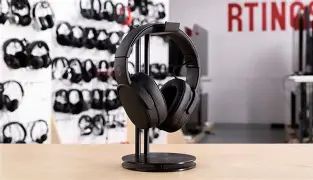
2. Comfort and fit
Head size, ear shape, and sensitivity to clamping force vary by individual. Try the headphones on where possible or check return policies. Look for ample ear padding, breathable materials if used in warm environments, and a headband that distributes weight evenly for long sessions.
3. Battery life and charging
Consider how many hours of use are needed between charges and what charging cable type is most convenient. For frequent travelers, longer battery life reduces charging logistics. Keep a spare charging cable compatible with the unit on hand.
4. Connectivity and latency
For gaming or video, wired mode minimizes audio delay; for most music listeners, Bluetooth is sufficient. If connecting to multiple devices frequently, confirm whether multipoint Bluetooth is supported.
5. Microphone and call needs
Casual call users will find the Crusher’s mic satisfactory. If work calls are critical, check microphone performance reviews and consider headsets built with superior voice clarity and noise rejection.
6. Tuning and customization
Some users expect app‑based EQ control or firmware updates. If these features are important, verify whether the model supports a companion app or profiles. Otherwise, rely on device or player EQs to shape the sound.
7. Durability and warranty
Assess build materials and review the manufacturer’s warranty. A protective case or pouch is valuable for travel. For heavy daily use, sturdier build and clearly stated warranty terms are helpful safeguards.
8. Price and value
Compare the Crusher’s unique strengths to competitors at similar price points. Pay attention to which features are most valuable to the buyer — tactile bass, ANC, comfort, or battery life — and choose accordingly.
Care, maintenance and longevity tips
- Store the headphones in a dry, temperature‑stable environment and avoid leaving them in a hot car or damp place.
- Use the included pouch or case for travel to reduce wear on the headband and earcup surfaces.
- Clean earcup pads periodically with a slightly damp cloth and mild soap if needed; avoid soaking or immersing the pads.
- Keep the charging port free from lint; use a soft brush to remove debris and prevent charging issues.
- If replacements are required, check compatibility for ear cushions and cables with the model generation to ensure a proper fit.
Conclusion
The Crusher Wireless 2016 is a compelling choice for listeners who prioritize an entertaining, bass‑centric experience. Its sensory bass feature sets it apart from neutral headphones and makes movies, EDM, hip‑hop, and action games more impactful. With long battery life, comfortable padding, and both wireless and wired options, it covers many practical bases for everyday use. Buyers seeking studio accuracy, the quietest commuting experience via ANC, or the most advanced microphone performance may prefer alternative designs. For those who want robust low‑end impact and a headphone that makes audio feel physical, the Crusher Wireless 2016 remains a sensible, easy‑to‑set‑up option — and with the setup and tuning tips above, owners can quickly tailor the experience to their listening habits and environments.