Why Everyone is Buying the Soundcore Sleep A30 (Full Review)
I've been using the Soundcore Sleep A30 for several months now. I bought it because I sleep light, frequently wake up from street noise and partner movement, and I wanted something less obtrusive than over-ear headphones. In this review I’ll walk through my real-world experience: what I liked, what annoyed me, and whether I think the Sleep A30 is worth the buzz it's getting. This isn't a spec dump — it's an honest account of living with these sleep buds night after night.
Introduction: why I tried the Sleep A30
I tried the Sleep A30 because I wanted a pair of sleep-focused earbuds that felt small, offered useful sound options for relaxation, and wouldn't bother my side-sleeping habits. My criteria were simple: comfortable fit for side sleeping, long enough battery for overnight use, calming sound options (white noise, nature sounds), reliable connection and controls, and an app that actually adds value rather than just being a marketing wrapper. Over the past few months I used the Sleep A30 in bedroom conditions ranging from quiet suburban nights to noisy city weekends. What I found was a mixed bag of pleasantly surprising comfort and sound design, paired with some software and usability quirks.
Design and fit
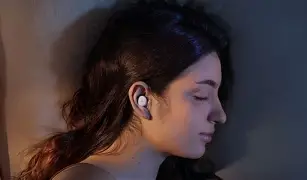
From the moment I unpacked the Sleep A30, I appreciated how compact they are. The earbuds are low-profile and sit flush in my ear canal, which is crucial for side sleepers. I sleep on my side most nights, and I noticed that the buds didn't poke into my ear painfully like many other in-ear designs. After a few nights of swapping tips I landed on a medium foam tip that gave a secure seal without feeling like they were being forced in.
One thing I appreciated: the case is small enough to fit in a bedside drawer and light enough to toss into a travel bag. At the same time, the carrying case's lid can be a little fiddly — I had to get used to snapping it shut firmly so it would fully lock. That’s a minor annoyance, but worth noting if you plan to toss the case into a pouch with other items.
Comfort for side sleepers
In my experience, comfort is the Sleep A30’s strongest suit. They have a short stem and a soft tip profile that minimizes pressure when my ear touches the pillow. I tested them with different pillow types (down, memory foam, and a thin travel pillow). With memory foam the buds stayed put best; with very thick down pillows I occasionally felt slight pressure on one ear toward morning, but it never caused me to wake up fully. If you’re an extreme side sleeper who grinds their ear into the pillow, nothing short of purpose-built flat sleep earbuds will be perfect — but the A30 comes very close for most people.
Audio and sound options
What sets the Sleep A30 apart for me is how it approaches sleep sounds. The earbuds come with a range of premade soundscapes and white noise tracks that are specifically tuned for sleeping — they’re warm, balanced, and not overly bright. I used the ocean and rainscapes most nights, and I found them more effective at masking intermittent noises (dogs, distant cars) than generic white noise playlists I had used on my phone.
One surprise: the Sleep A30's audio is intentionally restrained. These aren’t studio-grade earbuds for critical listening; they’re designed to stay in the background. In my experience that’s exactly what you want for sleep. The bass is present enough to create a cozy low-end hum but not so pronounced that it becomes droning or distracting. Mids are softened so voices in nature tracks don't snap your attention back to them, and highs are de-emphasized so there’s no harshness at low volumes.
I also tested simple ambient playlists over Bluetooth. The buds performed well with low-latency playback and didn’t stutter overnight. However, the Sleep A30 isn’t tuned for loud music — if you want rich, detailed audio for audiophile listening, these won’t replace higher-end earbuds. For sleep and relaxation they hit the sweet spot.
Find top-rated Audio & Headphones products at great prices.
Shop Amazon →Noise control and isolation
These earbuds rely mostly on passive isolation rather than active noise cancellation in the way I experienced them. The physical seal combined with the soundscapes masks most household noises very effectively. I could still hear low-frequency disturbances (heavy trucks, subwoofer bass) occasionally, but the tracks reduced how much those sounds bothered me. If you need full ANC to eliminate loud, constant noise, a dedicated ANC device will work better — but for intermittent urban noise and partner movement, the Sleep A30 did a solid job.
App and features
The Sleep A30 app is straightforward and focuses on sleep-relevant features: a library of sounds, timers, and a few EQ-like adjustments. After using it for a few weeks I came to appreciate the simplicity. I could quickly queue a 90-minute ocean track, set a gentle fade-out, and not worry about my phone staying awake.
That said, some features felt undercooked. The EQ controls are basic and not particularly granular — I missed more precise tone shaping. The sound library is good but not massive; I would have liked a few more subtle variations or the ability to import my own ambient tracks directly into the app. Another small gripe: firmware update notifications occasionally popped up while I was trying to start a sleep session, which required a restart of the app if I chose to postpone. Not a deal-breaker, but worth mentioning for anyone who's sensitive to interruptions right before bed.
Battery life and charging
In my typical use — nightly sessions of around eight hours with moderate volume — the Sleep A30 comfortably lasted through the night and still had a noticeable reserve in the morning. The case provided multiple overnight charges over a two- to three-day span before needing to be recharged. Charging is simple and predictable, and the buds return to full volume quickly after a quick top-up. If you're frequently away on multi-day trips without charging options, pack the case; it won't last a full week on its own, but it does cover several nights.
One practical annoyance I ran into: occasionally, one bud would disconnect late at night and not immediately reconnect until I nudged it awake. This was infrequent, but when it happened mid-sleep it would cause the soundscape to stop and wake me up. A future firmware fix could easily improve reconnection behavior.
Daily use: controls, stability, and waking up
Controls are tactile and simple: a press or a press-and-hold triggers play/pause, next track or sound adjustments. I found the physical buttons easy to locate even when half-asleep. They’re not touch-based, which I prefer for sleep because accidental taps are less likely to trigger something unwanted.
Stability-wise, I did a few testing nights where I turned over multiple times; the A30s held position well. Once, during a restless night, I did dislodge an earbud and had to fish it out from under the pillow, but that was more my tossing and turning than any design flaw.
Pros & Cons
- Pros:
- Very comfortable for side sleeping — low profile and soft tips
- Soothing, sleep-focused soundscapes that do a great job of masking intermittent noise
- Reliable battery life for overnight use and a compact charging case
- Simple, easy-to-use app focused on sleep (timers, fade-out, curated sounds)
- Physical controls that are intuitive when drowsy
- Cons:
- Occasional reconnection hiccups with one bud late at night
- App features are basic — limited EQ and no direct import of custom tracks
- Not engineered for loud-music fidelity — strictly a sleep/ambient device
- Case lid requires a firm snap; I wish it had a smoother latch
Comparison: Sleep A30 vs other sleep earbuds (my experience)
| Feature | Soundcore Sleep A30 (my experience) | Bose Sleepbuds II (my experience) | Typical generic sleep earbuds |
|---|---|---|---|
| Comfort for side sleeping | Very good — low profile and soft tips that rarely caused pressure | Excellent — very low profile, slightly better for extreme side sleepers | Varies — many are bulkier and uncomfortable for side sleepers |
| Soundscapes & sleep sounds | Warm, well-designed presets that felt curated for sleep | Also strong — Bose offers nuanced soundscapes with clinical tuning | Often generic or limited in variety |
| Battery life (overnight reliability) | Consistently lasts a full night with reserve; case provides multiple charges | Similar; Bose can be very reliable but depends on usage | Mixed — many need frequent charging or have less reliable cases |
| App quality | Simple and focused but could use more customization | Refined app with targeted sleep features | Often barebones or poorly designed |
| Noise reduction approach | Passive isolation + masking sounds; not full ANC | Passive isolation + masking; designed specifically for masking noises | Some rely on ANC, but many are passive only and less effective |
Buying guide: is the Sleep A30 right for you?
When deciding whether to buy the Soundcore Sleep A30, consider these points based on my months of use:
Looking for the best Audio & Headphones deals on Amazon?
Shop Amazon →1. Your typical sleep position
If you sleep on your side most nights, the Sleep A30 is a strong contender. They’re among the most comfortable in-ear options for side sleepers that I’ve tested. If you’re a strict stomach sleeper or you frequently press your ear into a pillow aggressively, test a pair in a store if you can — fit is very personal.
2. The noise you want to mask
These buds work best for intermittent noises — car horns, dog barks, partner movement. If you live next to a nightclub or an airport with constant loud noise, consider higher-end ANC solutions or white-noise machines with higher sound output. For regular domestic disturbances, the Sleep A30 does a very good job.
3. Do you want an all-purpose earbud?
The Sleep A30 is primarily a sleep tool. They’re comfortable and tuned for low-volume relaxation, but they won’t replace headphones you use for podcasts or critical music listening. If you want one pair of earbuds for everything, consider a more versatile model; if you want a bedtime-specialist that won't bother your ears, the A30 fits that niche.
4. App and customization needs
Are you someone who loves deep customization and building complex playlists? The app is intentionally simple. If you need advanced EQ, programmable sleep schedules, or the ability to upload long-form personal audio files, look elsewhere or be prepared to pair the buds with a separate audio source.
5. Durability and day-to-day reliability
I found durability adequate for nightly use. The one annoyance was the occasional reconnection issue late at night; it wasn't frequent but worth factoring in if seamless, never-interrupted playback is critical for you. For most users the A30 will be reliable night after night.
Tips from my experience
- Spend time trying different tips — foam tips often give the best passive isolation and comfort for sleep.
- Set a fade-out timer — I set a 30–60 minute fade-out for nights I only need noise until I fall asleep, which also saves battery.
- Keep the case on your nightstand — a quick top-up before bed often prevents those rare reconnection hiccups.
- Use the physical buttons rather than the app if you’re half-asleep; they’re easier to operate in the dark.
Conclusion
After several months with the Soundcore Sleep A30, I can say they became an important part of my nightly routine. They deliver a quiet, comfortable sleep experience with thoughtful soundscapes and reliable overnight battery life. They aren’t perfect — the app could use more depth and I occasionally dealt with a reconnection blip — but the positives vastly outweigh those shortcomings for my use case. If you want earbuds designed to help you fall asleep and stay asleep with minimal fuss, the Sleep A30 are one of the most compelling options I’ve used. In my experience, they're comfortable enough to forget about on the pillow and effective enough to actually improve sleep quality on noisy nights — and that’s ultimately what matters most."